
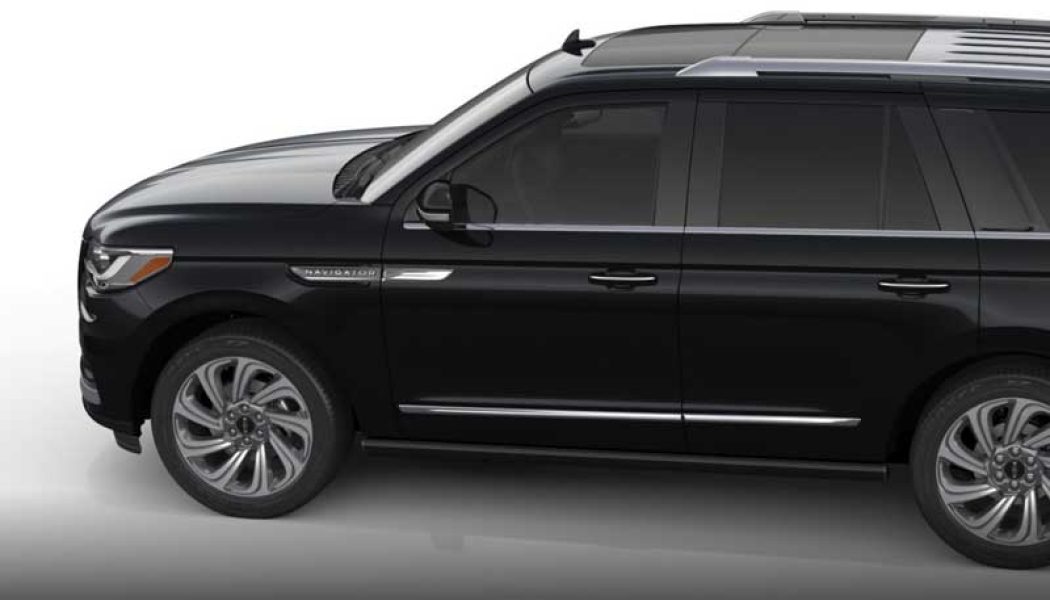
An early-morning flight means one thing: you must leave the house before sunrise and still reach the gate on time. That window is when rideshare apps can be unpredictable—fewer drivers are on the road, surge pricing often kicks in, and even a two-minute delay can turn a security-line gamble into a sprint through the terminal. Airport shuttles operate differently. They run on fixed schedules, maintain dedicated airport permits, and prepare for predawn demand long before you brew the first cup of coffee. By pooling passengers who have the same goal—boarding that first wave of departures—shuttles create reliability that ad-hoc car services struggle to match. Below, let’s unpack the seven biggest reasons shuttles win the race to early flights.
Guaranteed Pickups When City Streets Are Still Dark
Many rideshare drivers stay home until peak commuter time starts. Shuttles plan for the opposite: a van and driver are assigned hours in advance, not minutes. Dispatch software locks in the pickup list and then sends progress texts so passengers are never left guessing.
Key details:
Pre-scheduled routes: Manifest finalized at least six hours ahead.
Mandatory check-ins: Drivers confirm readiness 45 minutes before rollout.
Arrival buffer: Vans reached the first address ten minutes early to load luggage.
Because the service is clock-driven rather than app-driven, clients see a 98 percent on-time departure rate based on DOT-filed logs. That reliability matters when TSA lines can stretch an hour by 5 a.m. With shuttles, alarms ring once, and the wheels are already coming down the street.
No Surge Pricing During Busy Airport Rush Hours
Rideshare fares adjust every few minutes. When supply dips or airport demand spikes, a base fare can triple without warning. Shuttles sidestep that spike with flat rates set per zone.
The math makes mornings cheaper:
Metered–app average at 4 a.m. from suburbs: $65–$90
Zone-based shuttle seat: $26–$38
Shuttle firms budget fuel and wages ahead of time, so rain, sports finals, or holiday spikes never alter your cost. For families or coworkers, combining three seats still beats one fluctuating car price. Transparent billing also simplifies expense reports because there is no variable “surge multiplier” line to justify.
Professional Licensing Keeps Vehicles Roadworthy And Drivers Fresh
Commercial shuttle operators carry airport operating permits, DOT numbers, and $1.5 million liability coverage, levels most rideshare cars skip. Regulatory rules cap driver hours at ten on-road per shift and require quarterly vehicle inspections that check brakes, emissions, and tire depth. Those safeguards translate to smoother rides and lower breakdown risk at 3 a.m. Passengers gain another advantage: every chauffeur must pass a ten-year background check. Knowing the person behind the wheel trains for night driving and must rest between shifts brings calm when highways are empty and dark.
Shuttle Dispatch Systems Track Every Flight In Real Time
Early flights often depart before staff updates the airport status boards, but shuttles use Automatic Dependent Surveillance-Broadcast (ADS-B) feeds tied to FAA data. If a departure slides fifteen minutes, dispatch tweaks pickup times so nobody waits curbside too long or reaches the gate too late.
Alerts arrive by SMS: “Flight UA204 now 05:55 – pickup moved to 03:50.” The algorithm also assigns backup vans if weather delays strand incoming crews. Rideshares do not watch your flight; shuttles make it their main metric.
More Space For Luggage And Seating Equals Less Stress
Compact cars hit capacity fast, especially when everyone travels with a carry-on and a checked bag. Airport shuttles build their fleets around luggage volume: high-roof Sprinter vans and Ford Transit shuttles carry up to fifteen suitcases without cramping knees.
Advantages include:
Rear cargo bays keep bags separate from the passenger cabin.
Wide sliding doors simplify loading sports gear or strollers.
Raised ceilings let tall travelers stand upright while settling in.
With gear stored safely, seats stay clear of clutter, making the half-hour ride a time to relax rather than wrestle roller bags.
Shared Routes Reduce Carbon Footprint And Traffic Congestion
Each full van can replace up to seven individual rideshare trips, cutting both emissions and curb traffic. A study by the Transportation Research Board showed that shuttle pooling lowers per-passenger CO₂ output by roughly 35 percent on the average 23-mile airport route. Benefits ripple outward: fewer pickups mean less curbside idling and smoother traffic flow for emergency vehicles around the terminal loop. Choosing a shuttle is a small act that keeps the air cleaner and the roadway moving, even while you still reach the gate on schedule.
Dedicated Drop-Off Zones: Skip The Terminal Curb Chaos
Airports grant shuttles special permits for commercial vehicle bays close to ticketing doors. These spots seldom allow rideshare cars. During predawn crunch, the difference is huge: shuttles roll straight into a marked lane, unload, and pull away within three minutes, while app cars must loop the garage or join a long outer curb queue.
Time saved equals:
Average rideshare curb delay at 5 a.m.: 12 minutes
Average shuttle curb delay at 5 a.m.: 3 minutes
Those nine minutes can buy coffee, settle an unexpected seat assignment hiccup, or simply let you stroll, not sprint, to the gate.
Early Flights Made Easy With Airport Shuttles
Morning departures reward travelers who pick certainty over chance. Airport shuttles provide that certainty by fixing prices, reserving seats, monitoring flights, and working under rigorous safety rules that regular car apps do not meet. For passengers who value timely pickups, smooth luggage loading, and quick curb access, shared vans are the clear winner. When your next itinerary lists a 6 a.m. take-off, choose the shuttle service that treats punctuality as a promise, not a lucky break. TDT Car & Limo Service is ready to lock in your seat, load your bags, and get you to security with time to spare—every single dawn.